Drone Filming: Regulations, Costs & What You Need to Know (2026)
Everything you need to know about professional drone filming — EASA regulations, licensing, costs, and when to hire a certified operator. Updated for 2026 by Interfilm Productions.
Raber Sadiq
Founder & Creative Director, Interfilm Productions
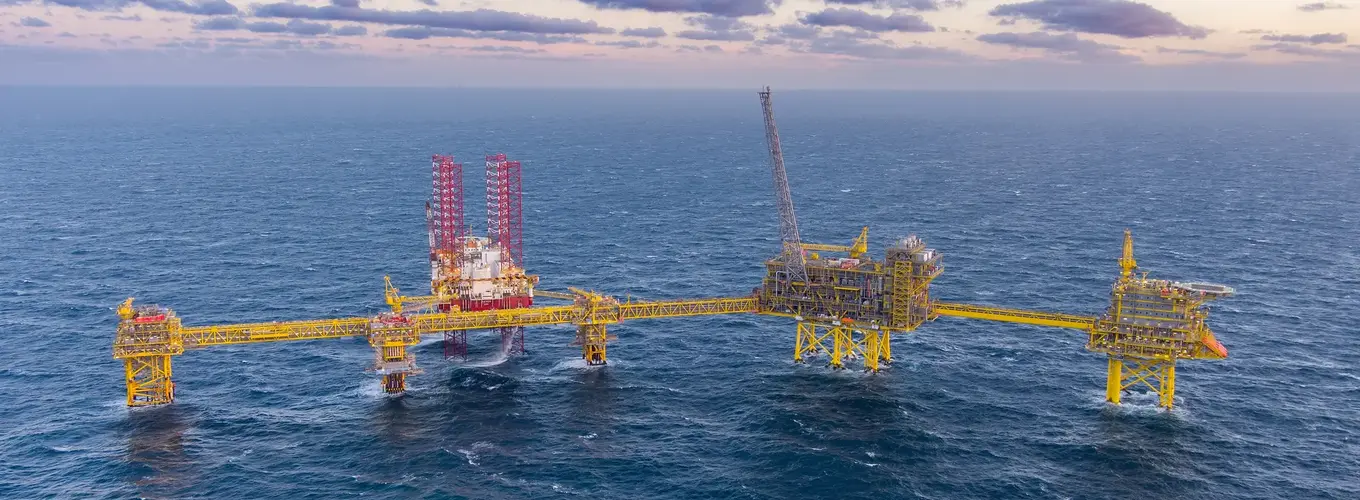
Drone footage transforms visual storytelling. Aerial perspectives reveal landscapes, architecture, and events in ways that ground-level cameras simply cannot match. But professional drone filming comes with specific regulations, licensing requirements, and practical considerations that you need to understand before you fly. Whether you are considering drone footage for a corporate video, real estate listing, construction documentation, or creative production, this guide covers everything you need to know.
Drone footage increases viewer engagement by up to 3x compared to static shots
Source: HubSpot Video Marketing Report (2024)
Aerial footage is one of the most effective ways to capture attention and elevate production value.
Denmark Drone Regulations: What You Need to Know
The European Union Aviation Safety Agency (EASA) drone regulations have been in effect since January 2021 and apply across all EU member states. Similar frameworks exist in the UK (CAA), the US (FAA), and most other jurisdictions. Understanding the regulatory framework is essential - violations can result in significant fines and legal consequences.
Drone Categories Under EASA
Under EASA regulations, drone operations are classified into three categories based on risk level: Open, Specific, and Certified. Most commercial video production falls under the Open or Specific categories.
- Open Category: For low-risk operations with drones under 25kg, flying below 120 metres, and within visual line of sight. Subdivided into A1, A2, and A3 subcategories based on proximity to people.
- Specific Category: For medium-risk operations that go beyond Open Category limitations - such as flying in populated areas, beyond visual line of sight, or above 120 metres. Requires an operational authorisation or follows a standard scenario (STS).
- Certified Category: For high-risk operations such as flying over crowds or transporting people. Rarely applies to video production.
Licensing and Registration Requirements
All drone operators must register with their national aviation authority and hold appropriate competency certificates. In Denmark this is Trafikstyrelsen; in the UK the CAA; across the EU the relevant national authority enforces EASA rules. For the Open Category, an online training course and exam are required. For the Specific Category, more comprehensive training and a practical exam are necessary.
- Drone operator registration with Trafikstyrelsen (required for all operators)
- A1/A3 certificate: Online training and exam for basic Open Category operations
- A2 certificate: Additional training and exam for flying closer to people
- STS certificate: Required for Specific Category operations under standard scenarios
- Liability insurance: Mandatory for all commercial drone operations (requirements vary by country)
Behind the Scenes
Where You Can and Cannot Fly
Every country has geographical zones where drone flights are restricted or prohibited — around airports, military installations, and urban centres. In the EU, national drone zone maps (available through each country's aviation authority) show current restrictions. Most major cities have extensive restricted zones. Always check local regulations before any commercial flight.
Special permissions can be obtained for filming in restricted areas, but this requires advance planning and application - typically 2-4 weeks before the planned shoot date. At Interfilm Productions, we handle all permit applications and regulatory compliance as part of our drone production service.
How Much Does Professional Drone Filming Cost?
Professional drone filming costs depend on the scope of the project, the equipment required, and the regulatory complexity of the shoot location.
| Service | Typical Cost (DKK) | Includes |
|---|---|---|
| Half-day drone shoot (4 hours) | 8,000 - 15,000 | Licensed pilot, professional drone, basic editing |
| Full-day drone shoot | 15,000 - 25,000 | Licensed pilot, cinema-grade drone, comprehensive coverage |
| Multi-day production | 25,000 - 60,000+ | Multiple locations, complex flight plans, full post-production |
| Aerial photography only | 5,000 - 10,000 | High-resolution stills, licensed pilot, basic retouching |
| Drone + ground crew combo | 25,000 - 80,000+ | Full production team, aerial and ground footage, complete edit |
These prices include a licensed, insured drone pilot with professional equipment. Additional costs may apply for special permits, travel to remote locations, or advanced post-production such as colour grading, motion graphics, and sound design.
Let’s work together
Let’s work together.
When to Hire a Professional Drone Operator
While consumer drones have become affordable and accessible, there are compelling reasons to hire a professional for any project where quality and compliance matter.
- Regulatory compliance: Professional operators have all necessary certifications, insurance, and permits. They understand the rules and ensure your shoot is fully legal.
- Equipment quality: Professional cinema drones (such as DJI Inspire 3 or custom-built rigs) produce dramatically better footage than consumer models - better resolution, dynamic range, stabilisation, and lens quality.
- Flight expertise: Smooth, cinematic drone movements require significant skill and experience. Professional pilots deliver polished footage that amateurs cannot replicate.
- Safety: Professional operators conduct risk assessments, have emergency procedures, and carry appropriate insurance. This protects you and your project.
- Post-production: Professional drone footage needs colour grading, stabilisation, and editing to look its best. A professional service includes this as standard.
Professional Drone Equipment We Use
At Interfilm Productions, we operate a fleet of professional drones suited to different production requirements. Our equipment includes the DJI Inspire 3 for cinema-grade aerial footage, the DJI Mavic 3 Pro for versatile location work, and specialised FPV drones for dynamic, immersive sequences. All our drones are equipped with high-quality cameras capable of shooting in 4K and above, with professional colour profiles for maximum post-production flexibility.
For our work on National Geographic's 'Europe from Above' series - which is available on Netflix and Disney+ - we used top-tier cinema drones to capture the stunning aerial landscapes of Denmark, Greenland, and other European locations. This experience means we understand the technical and creative demands of broadcast-quality aerial production.
Best Uses for Professional Drone Footage
- Real estate and property: Showcase properties, estates, and developments from above to give potential buyers a true sense of scale and surroundings.
- Corporate films: Add cinematic production value to brand films, company overviews, and promotional content with sweeping aerial establishing shots.
- Construction and infrastructure: Document construction progress, inspect infrastructure, and create time-lapse sequences of major projects.
- Tourism and hospitality: Capture the beauty of hotels, resorts, and landscapes worldwide to attract visitors and guests.
- Events and festivals: Film events from unique aerial perspectives that ground cameras cannot achieve.
- Agriculture: Monitor crops, survey land, and create visual documentation for agricultural businesses.
- Documentary and editorial: Tell visual stories with the context and scale that only aerial footage provides.
“Drone footage is not just about flying high - it is about finding the perspective that tells the story best.”
— Raber Sadiq, Creative Director, Interfilm Productions
Planning Your Drone Shoot: Practical Tips
- Book early: Permit applications can take 2-4 weeks, especially in restricted zones around Copenhagen. Plan ahead.
- Check the weather: Weather is unpredictable. Build buffer days into your schedule for wind and rain.
- Time of day matters: The best aerial footage is typically captured during golden hour (early morning or late afternoon) when light is warm and shadows are long.
- Communicate with neighbours: If filming in residential or commercial areas, informing nearby occupants reduces complaints and interruptions.
- Have a shot list: Know exactly what you need before the drone goes up. Battery life is limited, so efficient planning is essential.
Conclusion
Do I need a permit for professional drone filming?
All drone operators in Denmark must register with the Danish Transport Authority and obtain appropriate competency certificates. Additional permits are required for flying in restricted zones, near airports, or in urban areas. Professional drone operators like Interfilm handle all regulatory requirements as part of their service.
Can you fly drones in Copenhagen?
Yes, but Copenhagen has extensive restricted zones due to airport proximity and security considerations. Professional operations require specific authorisations and coordination with air traffic control. We regularly fly in Copenhagen and handle all necessary permits.
About the author
Raber Sadiq
Founder & Creative Director — Interfilm Productions
Raber Sadiq is the founder and Creative Director of Interfilm Productions — a Copenhagen and Aalborg-based production company with 16+ years of experience producing brand films, documentaries, drone footage, and photography for clients including National Geographic, Disney+, Sony Music, and hundreds of businesses.