
Post-Production & Colour Grading: What Happens After the Cameras Stop Rolling
What actually happens in post-production? Editing, colour grading, sound design, VFX, and delivery — explained by Interfilm Productions. Why it matters as much as the shoot itself.
Raber Sadiq
Founder & Creative Director, Interfilm Productions
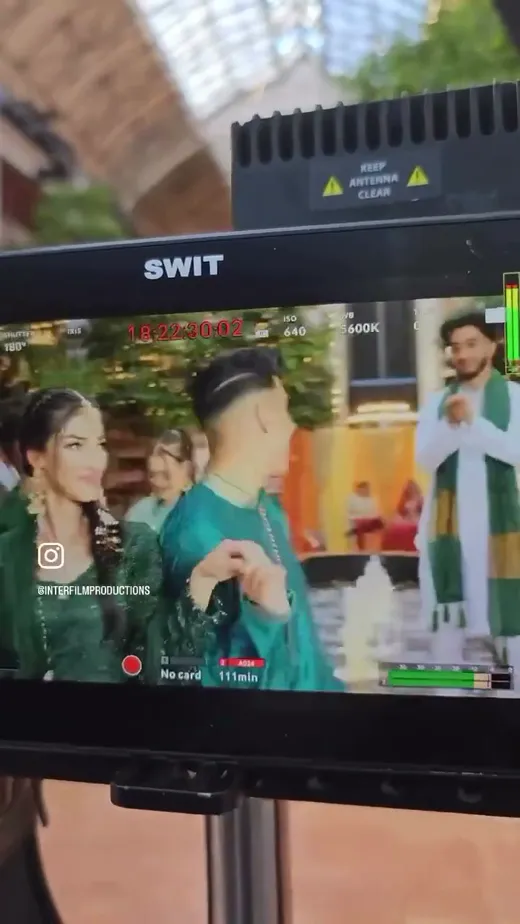
The shoot is exciting. The cameras, the lights, the energy on set — it is easy to think that is where the film is made. But at Interfilm Productions, we know that the shoot is where the raw material is gathered. The film itself is made in post-production. This guide explains exactly what happens after the cameras stop rolling — and why investing in great post-production is one of the most important decisions you make for your video.
Post-production typically represents 30–50% of a professional video production budget — and is the phase most often cut when budgets are tight
Source: Interfilm Productions production analysis (2026)
Cutting post-production corners is the most common way a good shoot becomes a disappointing final product. The edit, grade, and sound mix are not optional finishing touches — they are the film.
Stage 1: Ingestion and Organisation
Before a single cut is made, all footage must be ingested, backed up, and organised. At Interfilm Productions, we operate a strict 3-2-1 backup protocol: three copies of all footage on two different media types, with one copy off-site. We have never lost a frame of client footage. This is not luck — it is process.
Proxy Workflow
Professional footage — particularly RAW and 4K/6K files from cinema cameras — is too large to edit in real time without optimisation. We create proxy files (lower-resolution versions) for editing, then relink to the original high-resolution footage for export. This workflow is invisible to the client but dramatically speeds up the editing process without compromising the quality of the final delivery.
Stage 2: The Edit
Editing is the art of selection and sequence. From potentially hours of footage, the editor builds the 60-second, 2-minute, or 5-minute film that will represent your brand. The decisions made in the edit — which shot to use, how long to hold it, where to cut, what music to place underneath — are among the most consequential creative choices in the entire production.
Behind the Scenes
Assembly Edit
The first pass is an assembly edit: all the usable footage laid out in rough order to establish structure and duration. At this stage, the edit is long, rough, and ungraded. Its purpose is to identify the story that is actually in the footage — which is sometimes different from the story in the script. The best editors are comfortable with this creative discovery process.
Fine Cut
The fine cut refines the assembly: tightening timing, adjusting the rhythm of cuts to match the music, refining the beginning and end, and eliminating everything that does not serve the film. This is the version presented for client review. At Interfilm Productions, we deliver a first cut within 5–7 business days of completing the shoot.
Music and Pacing
Music is not a finishing touch — it is a structural element of the edit. The rhythm, energy, and emotional arc of a piece of music shape how the edit is built. We either source music from licensed libraries (Artlist, Musicbed, Epidemic Sound) or commission original composition. The right music choice can elevate an adequate video into a memorable one.
Stage 3: Colour Grading
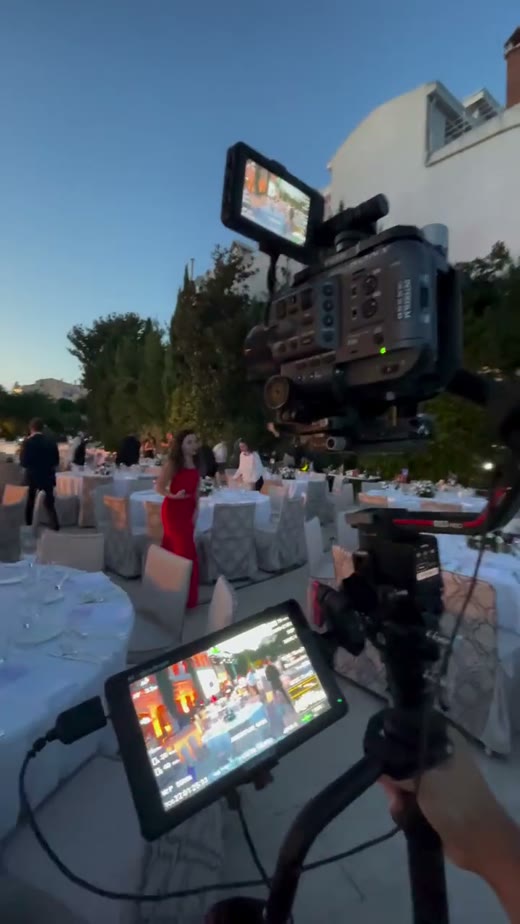
Colour grading is the process of transforming technically correct footage into a specific visual world. It is one of the most powerful and least understood tools in video production. A grade does not just make footage look nice — it communicates mood, reinforces brand identity, directs the viewer's attention, and creates the visual consistency that makes a production feel intentional rather than assembled.
Colour Correction vs Colour Grading
Colour correction fixes technical problems: exposure inconsistencies, white balance shifts, and matching shots filmed at different times of day or with different cameras. It is the foundation layer. Colour grading builds on that foundation to create a deliberate visual aesthetic — warm and golden for an intimate brand film, cool and clinical for a pharmaceutical production, high-contrast and gritty for an urban music video.
The Look
Every Interfilm Productions project receives a signature grade developed specifically for that production. We do not apply a preset and deliver. We build the look from the brief, the location, the colour palette of the shoot, and the brand guidelines of the client. The grade is discussed with the client during the review process and refined until it is exactly right.
Consistency Across Shots
One of the most visible signs of amateur post-production is inconsistent colour between shots. The skin tones shift, the background changes warmth, the lighting in one interview looks different from the next. Professional grading ensures every shot in a production looks like it belongs to the same film. This requires both skill and time — it cannot be rushed.
Let’s work together
Let’s work together.
Stage 4: Sound Design and Audio Mix
Sound is 50% of the experience of video — and the element most frequently underinvested in post-production. Poor audio quality is the single most common reason audiences stop watching a video, regardless of how good the images are. Professional sound post-production includes several distinct disciplines.
Dialogue Editing
Cleaning and editing all spoken content: removing background noise, handling room tone inconsistencies between cuts, and ensuring the dialogue is consistently clear and present throughout the film. This is technical but foundational — if the audience struggles to hear what people are saying, nothing else matters.
Atmospheres and Sound Design
The ambient sound of a location — the hum of an office, the sound of wind on a rooftop, the acoustic quality of a factory floor — creates the sense of place that makes a film feel real. At Interfilm, we layer location audio with purpose-designed atmospheres to create an immersive sonic environment that supports the image.
The Mix
The final mix balances all audio elements — dialogue, music, atmospheres, and effects — at the right relative levels, and masters the output to the correct loudness standard for the delivery medium. Web video is mastered at -14 LUFS, broadcast at -23 LUFS, and cinema at -27 LUFS. Delivering to the wrong standard is an immediate sign of amateur production.
Stage 5: Graphics, Titles and VFX
Motion graphics, lower-third titles, animated logos, and visual effects are built and composited in this stage. At Interfilm Productions, all graphics work is done in DaVinci Resolve Fusion or After Effects, maintaining a single pipeline from edit through to delivery. We do not outsource post-production work — every element of your film is handled by our own team.
Stage 6: Review, Revisions and Final Delivery
At Interfilm Productions, we use a structured review process. We share cuts via a private online screening link with time-coded commenting enabled. This makes feedback precise, prevents contradictions, and keeps the revision process efficient. We include two rounds of revisions as standard, with additional rounds available at a fixed rate.
Delivery Formats
Every Interfilm Productions project is delivered in a complete asset package: master file (ProRes HQ or H.264 4K), web-optimised H.264 for website embedding, social media exports in 16:9, 1:1, and 9:16 formats, subtitle files (.SRT), and any broadcast-specific formats required. We deliver everything you need for every platform, from the first delivery.
“The shoot is where we gather the material. Post-production is where we make the film. Both are essential — but the grade, the edit, and the sound mix are where your audience will actually feel what you made.”
— Raber Sadiq, Creative Director, Interfilm Productions
Want a Production Partner Who Takes Post-Production Seriously?
Interfilm Productions handles editing, colour grading, sound design, and delivery in-house. No outsourcing. No quality loss. Just a finished film that looks and sounds the way it should.
Talk to Interfilm ProductionsConclusion
How long does post-production take?
For a standard corporate video or brand film, post-production takes 2–3 weeks from shoot completion to final delivery. Music videos typically take 3–4 weeks. Complex projects with significant VFX or broadcast deliverables may take 4–6 weeks. Rush delivery is available at a premium.
What software does Interfilm use for post-production?
Interfilm Productions works exclusively in DaVinci Resolve Studio for editing, colour grading, sound mixing, and VFX (via Resolve Fusion). For complex motion graphics, we use Adobe After Effects. We do not use consumer editing software on professional productions. DaVinci Resolve is the industry standard for broadcast and cinema post-production.
About the author
Raber Sadiq
Founder & Creative Director — Interfilm Productions
Raber Sadiq is the founder and Creative Director of Interfilm Productions — a Copenhagen and Aalborg-based production company with 16+ years of experience producing brand films, documentaries, drone footage, and photography for clients including National Geographic, Disney+, Sony Music, and hundreds of businesses.